Exploring the Cutting-edge Procedures Behind Modern Aluminum Shop Operations
Modern aluminum shop procedures are undergoing significant transformation. Automation and AI are improving production techniques, improving both performance and accuracy. The integration of 3D printing is simplifying mold creation, while sustainability methods are coming to be a lot more important. Each of these advancements plays a crucial duty in redefining the industry. However, the ramifications of these adjustments extend past mere production efficiency. What challenges and possibilities exist ahead for aluminum factories in this evolving landscape?
The Duty of Automation in Light Weight Aluminum Foundries
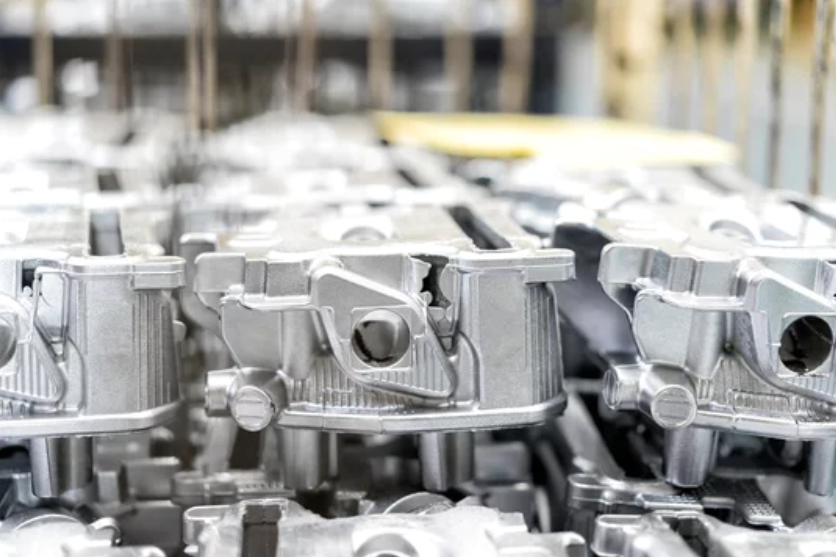
Automation adds to enhanced security requirements within the factory setting. By transferring harmful tasks to equipments, human employees can concentrate on managerial functions and quality control, lessening the danger of mishaps. Additionally, data analytics originated from automated procedures supply valuable insights into functional performance, resulting in much better decision-making and continuous renovation. As the demand for aluminum items grows, the fostering of automation innovations will likely expand, better transforming the landscape of aluminum factory operations.
Innovations in Spreading Technologies
Current improvements in casting technologies are transforming light weight aluminum shop operations. Innovations such as 3D printing combination, advanced alloy solutions, and automated process optimization are enhancing effectiveness and product high quality. These developments are crucial in meeting the advancing demands of the industry.
3D Printing Integration
Integrating 3D printing technology right into aluminum foundry operations has transformed typical casting methods, improving both performance and accuracy. This ingenious strategy enables the fast manufacturing of complex molds and cores, substantially lowering lead times and material waste. By making use of additive production, foundries can produce elaborate geometries that were difficult or formerly tough to achieve with traditional strategies. The flexibility of 3D printing also enables fast design alterations, fostering a more active production procedure. On top of that, this integration sustains making use of light-weight structures, which is increasingly vital in industries such as automotive and aerospace. As light weight aluminum factories remain to embrace 3D printing, they position themselves at the forefront of technical advancement, driving renovations in item quality and operational capacities.
Advanced Alloy Formulations
The development of innovative alloy formulas has actually greatly boosted spreading modern technologies in light weight aluminum foundry procedures. These solutions integrate various elements, such as silicon, copper, and magnesium, to enhance mechanical properties and thermal resistance. By customizing the structure of aluminum alloys, manufacturers can attain specific performance features that satisfy the demands of diverse applications, from automotive parts to aerospace structures. Using sophisticated alloys likewise contributes to minimized weight and increased stamina, which are important consider contemporary design. Furthermore, innovations in alloy growth enable much better fluidness during spreading, causing enhanced surface area coatings and minimized problems. In general, advanced alloy solutions stand for a significant leap forward, positioning aluminum shops to meet the progressing requirements of numerous markets successfully.
Automated Refine Optimization
Developments in casting innovations have led the way for computerized procedure enhancement in aluminum factory operations. By integrating advanced software and real-time information analytics, factories can currently improve production processes and improve quality control. Automated systems keep track of variables such as air conditioning, stress, and temperature rates, enabling prompt adjustments that minimize issues and waste. Furthermore, equipment knowing algorithms evaluate historic efficiency data to anticipate ideal setups, thereby boosting efficiency and minimizing cycle times. Robotics also play a substantial function, taking care of recurring tasks that boost safety and security and accuracy. Generally, these innovations not just drive functional performance but also allow factories to meet the growing need for high-quality aluminum components in different markets.
Smart Manufacturing and Market 4.0 Combination
The assimilation of Smart Manufacturing and Industry 4.0 within light weight aluminum shops is changing operational efficiency. By leveraging IoT modern technologies, automation, and robotics, shops can enhance production procedures and reduce downtime. Additionally, data analytics supplies vital understandings that boost decision-making and drive constant enhancement.
IoT in Shop Workflow
As producers progressively accept the Web of Things (IoT), shop procedures are experiencing a transformative change towards clever manufacturing and Market 4.0 assimilation. aluminum casting. IoT innovations make it possible for real-time data collection and analysis, enhancing decision-making processes and operational effectiveness. Sensors and connected tools monitor equipment performance, material use, and environmental conditions, permitting for proactive maintenance and source optimization. This connection cultivates a much more agile manufacturing environment, where adjustments can be made swiftly in action to market needs. Additionally, IoT promotes enhanced traceability and quality assurance, as information from the whole production cycle can be easily accessed and evaluated. On the whole, the assimilation of IoT in factory operations significantly boosts productivity and drives development in light weight aluminum manufacturing procedures
Automation and Robotics Assimilation
Automation and robotics integration is revolutionizing aluminum shop procedures by boosting performance and precision. This transformative technique streamlines processes such as molding, putting, and completing, lowering human mistake and boosting outcome uniformity. By employing advanced robotic systems, foundries can achieve higher production rates while keeping rigorous quality criteria. Automated systems also make it possible for real-time tracking and adaptive control, enabling quick adjustments to production specifications. On top of that, the combination of robotics decreases labor costs and alleviates safety dangers connected with manual handling of molten steel. As foundries welcome clever manufacturing principles fundamental in Industry 4.0, the synergy between automation and robotics strengthens their one-upmanship, leading the method for sustainable development and technology in the aluminum casting sector.
Data Analytics for Performance
Taking advantage of data analytics greatly improves effectiveness within light weight aluminum shop operations, lining up with clever manufacturing and Market 4.0 concepts. By leveraging real-time information collection and analysis, shops can monitor production processes, anticipate tools failures, and maximize source allocation. This data-driven method assists in informative decision-making, making it possible for supervisors to recognize traffic jams and improve process. Additionally, predictive analytics empowers factories to anticipate market demands, thereby lowering waste and guaranteeing timely item shipment. Integration of information analytics with IoT tools boosts operational visibility, cultivating a proactive maintenance culture. Inevitably, executing these innovative logical methods not only increases efficiency but likewise drives development, positioning light weight aluminum factories to meet the advancing demands of the sector while preserving one-upmanships in a rapidly transforming landscape.
Sustainable Practices in Light Weight Aluminum Spreading
While the aluminum spreading sector has traditionally faced ecological challenges, numerous shops are now article embracing lasting techniques to reduce their impact (Aluminum Casting Company). A significant emphasis has been on reusing light weight aluminum scrap, which not only reduces waste however also preserves energy contrasted to key light weight aluminum production. Cutting-edge melting innovations, such as induction heaters, improve energy efficiency and reduced greenhouse gas exhausts
Furthermore, foundries are applying closed-loop water systems to minimize water consumption and minimize thermal contamination. Using environmentally friendly binders in mold-making procedures is obtaining traction, more decreasing harmful emissions.
Some centers are investing in renewable power sources to power operations, aligning with worldwide sustainability goals. By integrating these techniques, the light weight aluminum casting industry is developing page towards a much more eco accountable future, showing that financial growth can coexist with eco-friendly stewardship - Aluminum Foundry. These initiatives reflect a dedication to sustainability and the importance of ecological accountability in manufacturing
High Quality Control Innovations
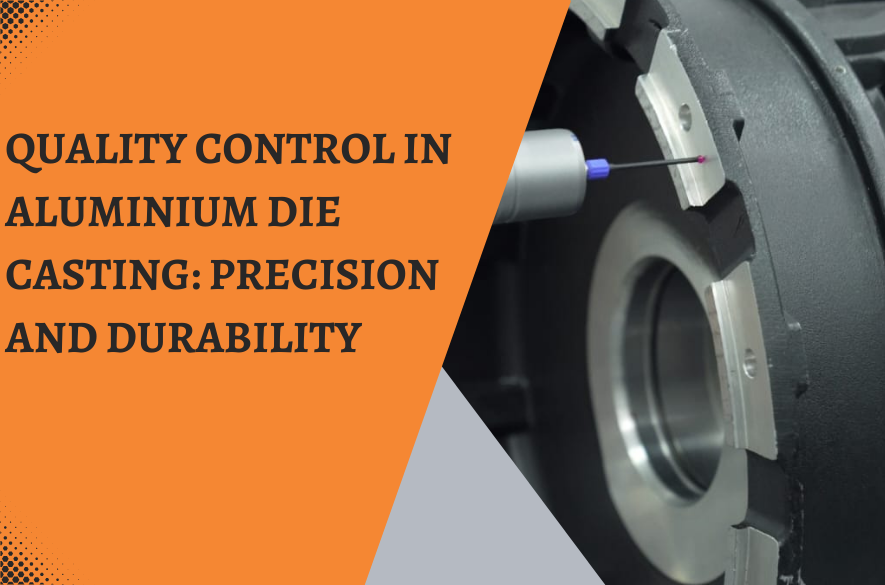
As the aluminum spreading market developments in the direction of sustainability, the value of quality assurance innovations ends up being increasingly evident. Modern aluminum factories are embracing innovative technologies to boost their quality control processes. Methods such as real-time monitoring and data analytics permit producers to find issues and disparities early in the manufacturing cycle. Implementing automatic inspection systems furnished with machine discovering algorithms assurances that items fulfill rigorous quality requirements while reducing human mistake.
The integration of non-destructive testing methods, such as ultrasonic and radiographic assessments, offers deeper understandings right into the honesty of castings without damaging the material. These developments not only boost item reliability yet additionally lower waste, straightening with sustainability objectives. Additionally, the fostering of standardized high quality structures helps simplify operations across various shops, guaranteeing consistency in output. Jointly, these innovations are reshaping top quality control, cultivating a society of quality within the aluminum casting market.
Future Patterns in Aluminum Shop Procedures
What developments exist in advance for light weight aluminum foundry operations? The future of light weight aluminum foundries is poised for improvement via innovations in automation, artificial knowledge, and sustainable methods. The combination of robotics and automated systems is expected to boost effectiveness and accuracy in the spreading procedures, lowering human mistake and labor prices. In addition, AI-driven analytics will enable real-time tracking and predictive maintenance, maximizing operational performance and decreasing downtime.
Sustainability continues to be a centerpiece, with foundries significantly embracing environment-friendly methods, such as using recycled aluminum and developing low-emission melting innovations. Advancements in 3D printing are additionally prepared for to transform mold-making, enabling complicated geometries and lowered material waste. As the industry welcomes digitalization, data-driven decision-making will certainly come to be critical, making it possible for factories to respond promptly to market demands. Jointly, these trends promise to redefine light weight aluminum factory operations, making them much more effective, lasting, and versatile to future difficulties.

Often Asked Questions
What Safety Procedures Are Applied in Light Weight Aluminum Foundry Workflow?
Light weight aluminum foundry procedures apply numerous security steps, including personal safety devices, air flow systems to manage fumes, normal security training, emergency situation reaction plans, and rigid monitoring of temperature and equipment to stop accidents and warranty employee security.
Just How Do Shops Manage Workforce Educating for New Technologies?
What Materials Are Frequently Reused in Light Weight Aluminum Foundries?
Light weight aluminum foundries generally reuse scrap light weight aluminum, including post-consumer products like beverage cans, automobile components, and construction products. This reusing process reduces waste and saves resources, contributing to a much more lasting light weight aluminum production market.
Just How Does Light Weight Aluminum Casting Impact the Environment?
Light weight aluminum casting effects the setting with energy-intensive processes, greenhouse gas emissions, and possible local pollution. Developments in reusing and lasting methods can minimize these impacts, advertising an extra environmentally friendly method to aluminum production.
What Are the Common Lead Times for Aluminum Casting Projects?
Typical lead times for light weight aluminum spreading tasks vary substantially, usually varying from 2 to 6 weeks. Aspects influencing these timelines include intricacy, order dimension, and material availability, affecting general production schedules in foundry operations.
Automation Visit Your URL progressively plays a necessary duty in light weight aluminum factories, boosting efficiency and precision in the production procedure. Improvements in casting modern technologies have paved the means for automatic procedure enhancement in aluminum factory operations. Taking advantage of data analytics substantially improves effectiveness within aluminum shop procedures, straightening with smart production and Market 4.0 concepts. A considerable focus has been on reusing aluminum scrap, which not only reduces waste however likewise saves power contrasted to main light weight aluminum production. Aluminum shops commonly reuse scrap aluminum, consisting of post-consumer products like beverage cans, automotive parts, and building materials.